How to Travel Faster with Private Aviation
When the Clock Starts to Tick
Imagine arriving at a bustling international hub with a 9‑hour layover, the time slipping away while you chase deadlines or watch the clock tick toward a crucial meeting. Now picture boarding a private jet that takes you straight from your home airport to a boutique field near your destination, the sky turning into an uninterrupted corridor of possibility. In the world of private aviation, the difference between the two scenarios is not just the distance covered but the quality of time reclaimed. Each minute on the ground translates into productive hours at the office, a chance to recover from jet lag, or an opportunity to unwind before the next stop. This chapter will show how private aviation doesn’t merely save you flight time; it reshapes the entire rhythm of your journey.
From bypassing congested terminals to leveraging the latest propulsion technologies, every facet of private flight is engineered to slice hours off your itinerary. The next sections dissect the tangible mechanisms—strategic routing, flexible scheduling, crew coordination, and cutting‑edge aircraft—that transform an ordinary trip into a time‑efficient experience. Whether you’re a high‑profile executive racing against a tight deadline or an adventurous traveler craving spontaneity, the insights below will illuminate how each decision point on the flight deck can shave precious minutes from your overall travel budget. Let’s embark on this exploration of speed, efficiency, and the art of reclaiming time in the sky.
Skirting the Congestion: The Airport Advantage
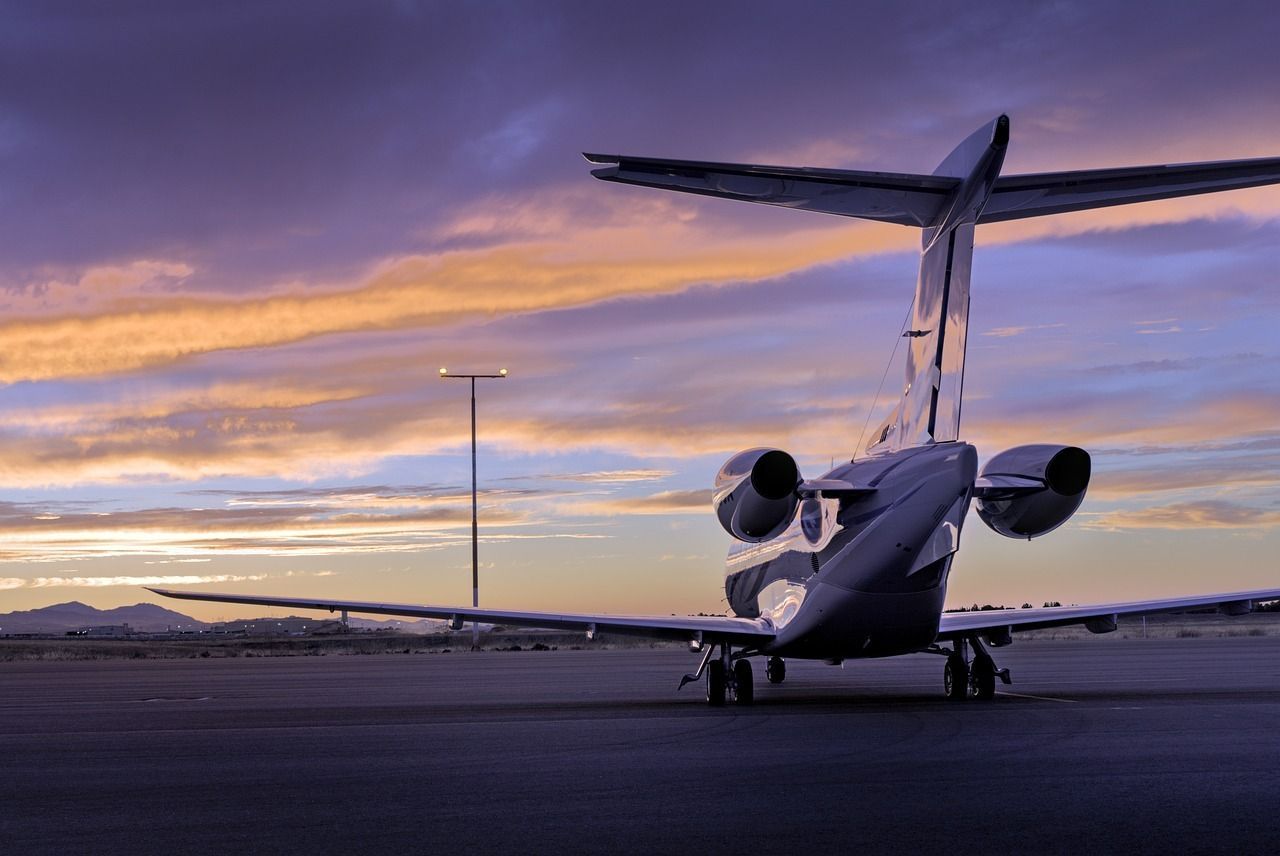
When you book a commercial flight, the first hurdle is usually the airport itself. Security lines, check‑in counters, and long taxi routes can add an hour or more to the journey before the plane even lifts off. Private aviation sidesteps this maze by operating out of a network of smaller, general‑aviation fields that sit just outside the city’s busiest terminals. These airports are designed for swift movement: a few gates, dedicated check‑in desks, and minimal ground traffic mean you can be on the tarmac in minutes rather than hours. The result is a seamless hand‑off from your vehicle to the aircraft, eliminating the idle time that plagues scheduled services.
Beyond the gates, ground transportation becomes an effortless extension of the flight. Instead of navigating congested highways to a central terminal, the jet can depart from a field that is only a few miles from your hotel or business office. A short, private shuttle or even a personal car can whisk you to the departure point, bypassing public traffic entirely. In addition, many general‑aviation airports offer exclusive lounges, concierge services, and direct access to luxury hotels, ensuring that every minute between arrival and take‑off is spent in comfort rather than queueing. These streamlined procedures cut the total ground time by as much as 60 %, a significant advantage when you’re juggling back‑to‑back commitments.
Direct Routes and Shorter Distances
Commercial airlines typically route passengers through a fixed hub‑and‑spoke network that requires a change of planes, sometimes in a city far from the final destination. Private jets, however, can chart a straight line between the departure and arrival points, often landing at smaller airfields that sit within a half‑hour drive of the city center. This directness eliminates the extra leg that consumes several hours, including the time spent at a layover airport and the inevitable delays that accompany large hubs. For instance, a flight from Los Angeles to the San Francisco Bay Area can now be completed in under two hours of flight time, compared with the three‑to‑four‑hour schedule of a commercial flight that detours through Denver or Phoenix. The result is a tighter itinerary that lets you arrive refreshed and ready for the day’s agenda.
Flight planners for private aviation also benefit from sophisticated route‑planning software that takes into account wind patterns, airspace restrictions, and weather anomalies. By constantly updating the flight path in real time, the pilot can shave minutes off the trip even when encountering turbulence or a storm front. Moreover, the absence of scheduled service constraints means that a jet can opt for the most efficient altitude and speed for a given segment, often flying at higher cruising altitudes where winds are favorable. Combined with the ability to avoid congested air corridors, these optimizations can reduce overall flight time by 10 % to 15 %, turning a routine business trip into a highly productive block of time.
Scheduling Freedom
One of the most compelling aspects of private aviation is the sheer flexibility it offers in scheduling. Unlike commercial carriers that operate on rigid timetables, a charter can be booked at a moment’s notice, and the jet can be on the ground within hours. For travelers who juggle tight meetings, last‑minute conferences, or unpredictable personal commitments, this ability to rearrange the departure time on demand eliminates the anxiety of missing a connection or being forced to wait for the next flight. It also allows pilots to optimize departure times for the most favorable meteorological conditions, ensuring a smoother ride and a more predictable arrival window.
When your itinerary includes back‑to‑back events across multiple cities, the flexibility of a private jet means you can leave a hotel or office just before an important presentation, land close to the next venue, and have a few hours to rest before the subsequent engagement. No more hopping onto a commercial flight, navigating crowded terminals, and waiting for an onward connection that may be delayed by a storm or mechanical issue. By controlling the departure and arrival windows, you transform travel from a reactive chore into a proactive, time‑saving strategy that works around your schedule, not against it.
Optimized Crew Efficiency
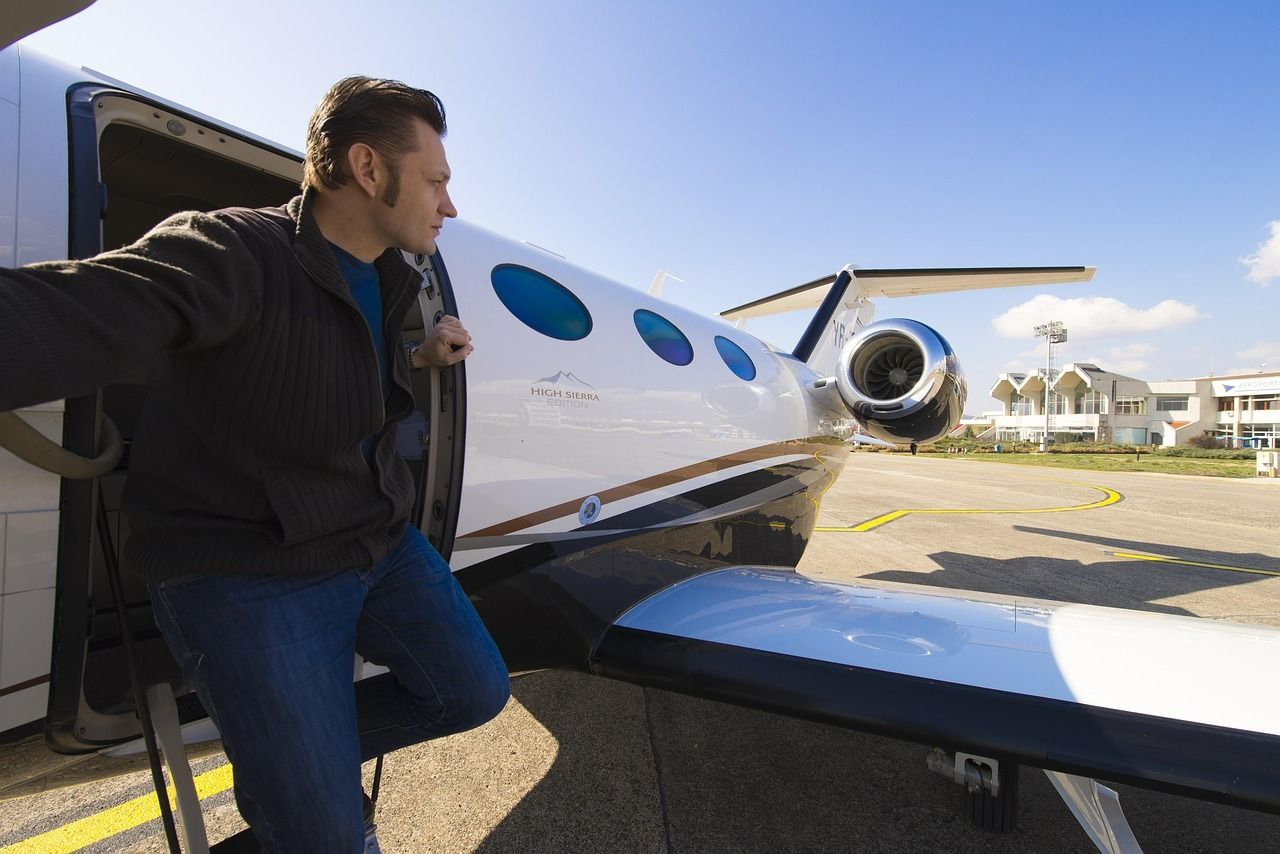
Behind every swift private flight is a crew that treats the aircraft as an extension of the passenger’s workspace. Pilots undergo rigorous training and must maintain proficiency on the specific model you’ll be flying, ensuring they can execute rapid climbs, efficient navigation, and precise landings. A small crew, typically just a pilot and a flight attendant, streamlines communication and reduces the need for additional coordination that is common on commercial flights. With fewer hands on deck, the turnaround time from arrival to the next departure shrinks dramatically—often to a matter of minutes instead of hours.
Flight attendants in the private aviation world are also highly skilled at anticipating passenger needs before they even arise. Their pre‑flight briefing covers everything from beverage preferences to specific seating arrangements, allowing them to provide service without the delays that characterize standard airport lounges. Boarding procedures are simplified; passengers often disembark, gather their luggage, and re‑embark in a fraction of the time required at a commercial terminal. This efficiency extends beyond the cockpit, as ground crews at the destination field work hand‑in‑hand with the pilot to clear the jet from the ramp, load cargo, and secure the aircraft for the next flight—all while keeping the schedule on track.
Technology & Performance
The evolution of aircraft design has turned private jets into powerful workhorses capable of traveling at speeds that rival, and sometimes surpass, those of regional airliners. Modern engines generate higher thrust‑to‑weight ratios while consuming less fuel per mile, allowing pilots to fly faster routes without sacrificing range. Advanced avionics systems provide real‑time data on atmospheric conditions, enabling pilots to adjust altitude and speed to stay within the most favorable wind corridors. The integration of satellite‑based navigation further reduces the risk of weather‑related diversions, ensuring that the flight path remains as efficient as possible.
Beyond sheer speed, the latest generation of jets incorporates technologies that reduce noise and environmental impact, addressing the growing demand for sustainable luxury travel. Hybrid‑propulsion options, winglets that cut drag, and lightweight composite materials all contribute to a lower carbon footprint while still delivering the performance required for time‑critical journeys. This blend of speed and sustainability means that travelers can enjoy the convenience of private aviation without compromising their commitment to responsible travel practices.
Network & Partnerships
For many travelers, the key to rapid private flight lies not only in the aircraft but in the network that connects them to the right operators worldwide. Large charter companies maintain partnerships with multiple operators across continents, giving customers access to a diverse inventory of aircraft types tailored to distance, passenger count, and urgency. These alliances streamline the booking process, as the operator can pull from a pooled fleet to match the client’s exact needs, often securing a flight within a few hours of request.
Moreover, established networks have standardized procedures for customs clearance, immigration, and ground handling, cutting down on the administrative delays that can plague individual operators. With a single point of contact, travelers can manage flight details, change itineraries, and arrange on‑board services all through a unified portal. This integrated approach eliminates the need for multiple communications with different service providers, allowing the traveler to focus on their destination rather than the logistics of getting there.
Ground Experience & Time Maximization
Once the jet has cleared the runway and made a brief stopover, the focus shifts from the sky to the ground. Private aviation operators often coordinate with premium hotel partners and luxury concierge services to deliver a seamless transition from the terminal to the aircraft. A dedicated chauffeur or a pre‑arranged ride can pick you up from your hotel, whisk you across the city, and drop you off at a small field within minutes. Because the aircraft typically arrives close to the city center, the ground distance is minimal, and the journey can be completed while you remain fresh and alert.
The synergy between the flight and ground operations creates a streamlined travel experience that maximizes every minute of your itinerary. From pre‑board check‑in at a private terminal to a concierge who arranges real‑time transportation and last‑minute services, the process feels almost effortless. This holistic approach removes the friction points that plague commercial travel—long lines, uncertain wait times, and the need to juggle multiple agencies—ensuring that the time you spend on the ground is as productive and comfortable as the time you spend in the air. When every minute counts, choosing private aviation turns travel into a precise, stress‑free extension of your day, allowing you to arrive at your destination ready to seize the opportunity.
Recent Posts